
Apartamento
Cosy Lake District Village Apartment, Whitehaven
Galería de imágenes de Cosy Lake District Village Apartment, Whitehaven


1 habitación1 baño2 huéspedes
Servicios populares
- Aparcamiento en las instalaciones disponible
- Se admiten mascotas
- Cocina
- Conexión a internet
- No se permite fumar
Echa un vistazo a la zona

Whitehaven, England
- St Bees Priory ChurchPlace, St Bees Priory ChurchA 8 min en coche
- Playa de St. BeesPlace, Playa de St. BeesA 16 min en coche
- Museo The BeaconPlace, Museo The BeaconA 21 min en coche
Habitaciones y camas
1 habitación (capacidad para 2 personas)
Dormitorio 1
1 cama de matrimonio grande
1 baño
Baño 1
WC · Solo ducha
Otros espacios
Cocina
Acerca de este alojamiento
Cosy Lake District Village Apartment, Whitehaven
Summary:
Flat 6 Aikbank in Sandwith, Cumbria, can sleep two people in one bedroom.
The Space:
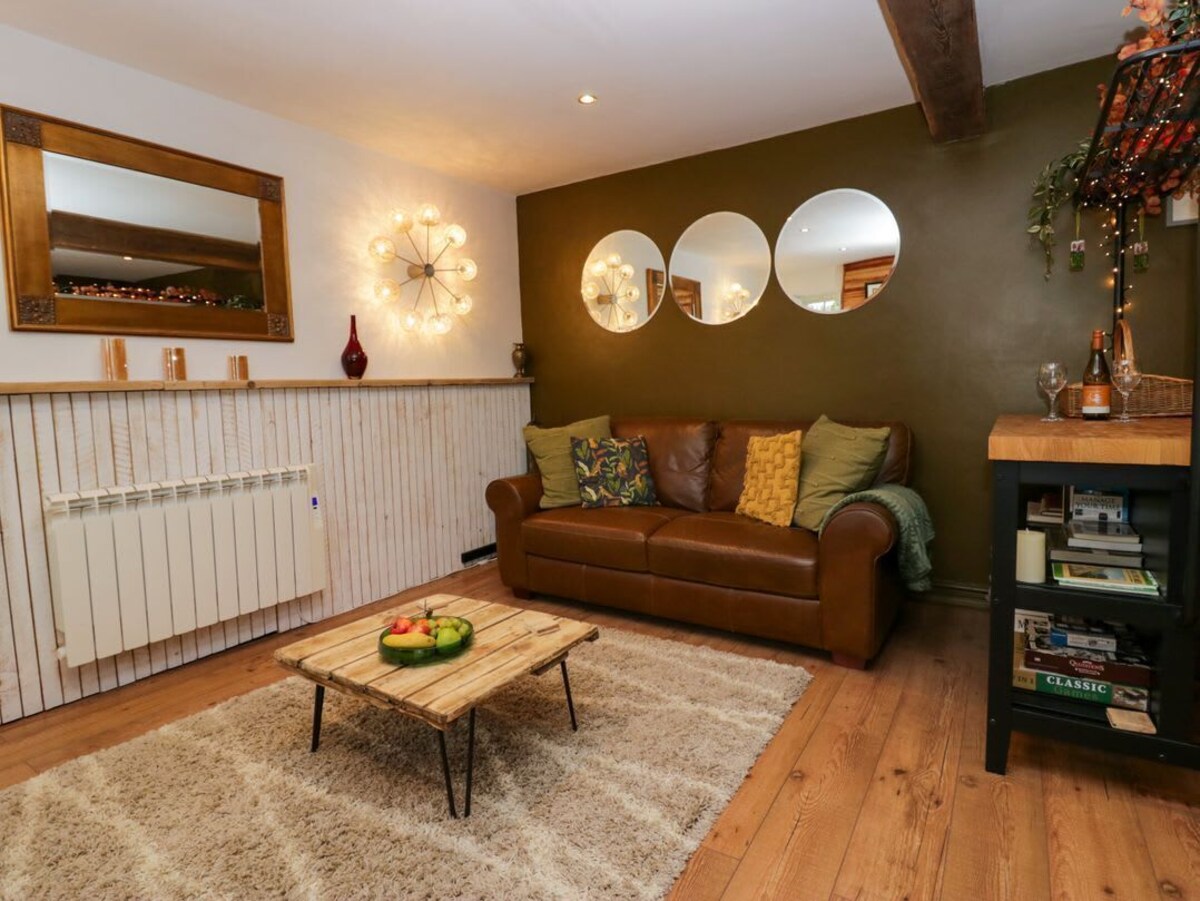
Cosy Lake District Village Apartment is a ground-floor apartment consisting of an open-plan living/dining area with an electric oven and hob, microwave, fridge, freezer., breakfast bar seating for four people, a sofa for two people, Smart TV with Freeview. The bedroom is a king-size bedroom along with a shower room with walk-in shower, hand-held shower, basin and WC. Outside there is a bench to the front and a designated parking place. One well-behaved dog is welcomed but this is a no smoking property. Within 1.6 miles you will find a shop, within 0.1 miles, a pub, and within 1.9 miles, a beach. WiFi, fuel, power, bed linen and towels are all included in the price. Be sure to book your stay at this Cozy Lake District Village Apartment to be in the most ideal spot to explore the beauty of Cumbria. Note: Step up into the property. Note: Door in bedroom is for fire escape only. Note: Babes-in-arms welcome.
The Neighborhood:
The West Cumbrian town of Whitehaven is situated on the coast between the sparkling sea and the Lakeland Fells. It was one of the first ‘planned’ towns in England and today can boast almost 250 Listed Georgian buildings and some beautiful parks and gardens. Today the town’s harbour is a designated conservation area and visitors can learn about the town’s history at the excellent Beacon Heritage Centre. The surrounding coastline has much to offer, not least its old smugglers villages, such as Ravenglass, and the red sandstone cliffs of pretty St Bees - now the start of Wainwright’s famous “Coast to Coast” Walk. Meanwhile inland you can enjoy the tranquillity of the Western lakes: Ennerdale, Loweswater, Crummock, Buttermere and Wastwater. Ennerdale is perhaps the most peaceful of all the lakes, with no public roads running along its National Trust owned shoreline. Sandwith and St Bees are two small but historically rich villages on the western coast of Cumbria, England. Both settlements have deep ties to the region’s maritime, monastic, and industrial past. Sandwith Sandwith is a small farming village located just south of Whitehaven. Historically, it was a rural settlement with strong links to agriculture and mining. The nearby Sandwith Anhydrite Mine, opened in the 20th century, played a key role in local industry, extracting minerals used in chemical and construction industries. The village remains a quiet residential area with a strong sense of community, offering stunning views of the Cumbrian coastline. St Bees St Bees is best known for its historic priory and its scenic location on the Irish Sea. The village takes its name from St Bega, an Irish nun who, according to legend, founded a religious settlement there in the 9th century. St Bees Priory, established in 1120 by the Normans, became an important religious site until the dissolution of the monasteries in the 16th century. The village has long been a hub for education, with St Bees School, founded in 1583, serving as one of the country’s oldest public schools. St Bees also marks the starting point of Alfred Wainwright’s famous Coast to Coast Walk, attracting hikers and outdoor enthusiasts. Both villages have played significant roles in Cumbria’s history, from their early religious significance to their industrial and maritime contributions. Today, they are cherished for their natural beauty, historical landmarks, and strong local heritage. More about Whitehaven; Whitehaven, a historic market town and port in Cumbria, England, has a rich maritime and industrial past. Originally a small fishing village, Whitehaven grew significantly in the 17th century under the Lowther family, who developed it into a planned town with a strong coal and trade economy. By the 18th century, it was a major coal-exporting port and played a key role in transatlantic trade, including connections with the American colonies. Whitehaven was notable for its well-planned Georgian architecture and grid-style layout, influencing town planning in America. In 1778, it was the site of the only American attack on British soil during the War of Independence when John Paul Jones led a daring raid on the harbour. As coal mining and shipbuilding declined in the 19th and 20th centuries, Whitehaven transitioned to other industries, though its port remained active. Today, the town is known for its heritage, including the Whitehaven Harbour, Beacon Museum, and remnants of its industrial past.
Flat 6 Aikbank in Sandwith, Cumbria, can sleep two people in one bedroom.
The Space:
Cosy Lake District Village Apartment is a ground-floor apartment consisting of an open-plan living/dining area with an electric oven and hob, microwave, fridge, freezer., breakfast bar seating for four people, a sofa for two people, Smart TV with Freeview. The bedroom is a king-size bedroom along with a shower room with walk-in shower, hand-held shower, basin and WC. Outside there is a bench to the front and a designated parking place. One well-behaved dog is welcomed but this is a no smoking property. Within 1.6 miles you will find a shop, within 0.1 miles, a pub, and within 1.9 miles, a beach. WiFi, fuel, power, bed linen and towels are all included in the price. Be sure to book your stay at this Cozy Lake District Village Apartment to be in the most ideal spot to explore the beauty of Cumbria. Note: Step up into the property. Note: Door in bedroom is for fire escape only. Note: Babes-in-arms welcome.
The Neighborhood:
The West Cumbrian town of Whitehaven is situated on the coast between the sparkling sea and the Lakeland Fells. It was one of the first ‘planned’ towns in England and today can boast almost 250 Listed Georgian buildings and some beautiful parks and gardens. Today the town’s harbour is a designated conservation area and visitors can learn about the town’s history at the excellent Beacon Heritage Centre. The surrounding coastline has much to offer, not least its old smugglers villages, such as Ravenglass, and the red sandstone cliffs of pretty St Bees - now the start of Wainwright’s famous “Coast to Coast” Walk. Meanwhile inland you can enjoy the tranquillity of the Western lakes: Ennerdale, Loweswater, Crummock, Buttermere and Wastwater. Ennerdale is perhaps the most peaceful of all the lakes, with no public roads running along its National Trust owned shoreline. Sandwith and St Bees are two small but historically rich villages on the western coast of Cumbria, England. Both settlements have deep ties to the region’s maritime, monastic, and industrial past. Sandwith Sandwith is a small farming village located just south of Whitehaven. Historically, it was a rural settlement with strong links to agriculture and mining. The nearby Sandwith Anhydrite Mine, opened in the 20th century, played a key role in local industry, extracting minerals used in chemical and construction industries. The village remains a quiet residential area with a strong sense of community, offering stunning views of the Cumbrian coastline. St Bees St Bees is best known for its historic priory and its scenic location on the Irish Sea. The village takes its name from St Bega, an Irish nun who, according to legend, founded a religious settlement there in the 9th century. St Bees Priory, established in 1120 by the Normans, became an important religious site until the dissolution of the monasteries in the 16th century. The village has long been a hub for education, with St Bees School, founded in 1583, serving as one of the country’s oldest public schools. St Bees also marks the starting point of Alfred Wainwright’s famous Coast to Coast Walk, attracting hikers and outdoor enthusiasts. Both villages have played significant roles in Cumbria’s history, from their early religious significance to their industrial and maritime contributions. Today, they are cherished for their natural beauty, historical landmarks, and strong local heritage. More about Whitehaven; Whitehaven, a historic market town and port in Cumbria, England, has a rich maritime and industrial past. Originally a small fishing village, Whitehaven grew significantly in the 17th century under the Lowther family, who developed it into a planned town with a strong coal and trade economy. By the 18th century, it was a major coal-exporting port and played a key role in transatlantic trade, including connections with the American colonies. Whitehaven was notable for its well-planned Georgian architecture and grid-style layout, influencing town planning in America. In 1778, it was the site of the only American attack on British soil during the War of Independence when John Paul Jones led a daring raid on the harbour. As coal mining and shipbuilding declined in the 19th and 20th centuries, Whitehaven transitioned to other industries, though its port remained active. Today, the town is known for its heritage, including the Whitehaven Harbour, Beacon Museum, and remnants of its industrial past.
Añade las fechas para ver los precios
Alojamientos similares
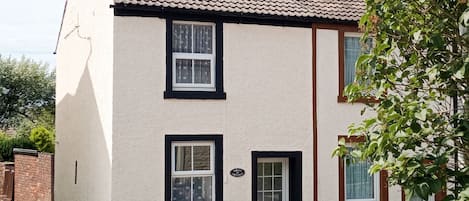
HOLLY COTTAGE, family friendly, with a garden in St Bees
St. Bees
HOLLY COTTAGE, family friendly, with a garden in St Bees
St. Bees
- Cocina
- Lavadora
- Espacio al aire libre
- Aparcamiento disponible
10.0 sobre 10, Excepcional, (2 comentarios)
10/10
Excepcional
(2 comentarios)

Waterfront Duplex | Right on the Harbour | 1BR
Whitehaven
Waterfront Duplex | Right on the Harbour | 1BR
Whitehaven
- Cocina
- Lavadora
- Se aceptan mascotas
- Wifi gratis

Alojamiento de 2 habitaciones en Whitehaven, near St Bees
Whitehaven, near St Bees
Alojamiento de 2 habitaciones en Whitehaven, near St Bees
Whitehaven, near St Bees
- Cocina
- Lavadora
- Wifi gratis
- Vistas a la playa
10.0 sobre 10, Excepcional, (3 comentarios)
10/10
Excepcional
(3 comentarios)

Duncan Square, Whitehaven
Whitehaven
Duncan Square, Whitehaven
Whitehaven
- Cocina
- Se aceptan mascotas

Seaspray in St Bees in Cumbria
United Kingdom
Seaspray in St Bees in Cumbria
United Kingdom
- Cocina
- Lavadora
- Se aceptan mascotas
- Espacio al aire libre

Luxury Double - Waterfall Shower
Whitehaven
Luxury Double - Waterfall Shower
Whitehaven
- Aparcamiento disponible

Harbourside Duplex Apartment - 1 Bedroom
Whitehaven
Harbourside Duplex Apartment - 1 Bedroom
Whitehaven
- Cocina
- Lavadora
- Secadora
- Se aceptan mascotas

The Milking Parlour - UK30866
St Bees, near Whitehaven
The Milking Parlour - UK30866
St Bees, near Whitehaven
- Cocina
- Lavadora
- Se aceptan mascotas
- Wifi gratis
10.0 sobre 10, Excepcional, (2 comentarios)
10/10
Excepcional
(2 comentarios)

THE SWIFT, family friendly, country holiday cottage in St Bees
St Bees
THE SWIFT, family friendly, country holiday cottage in St Bees
St Bees
- Espacio al aire libre
- Aparcamiento disponible
- Microondas

Bright 1 Bed Harbour-side Apartment w Sea Views
Whitehaven
Bright 1 Bed Harbour-side Apartment w Sea Views
Whitehaven
- Cocina
- Lavadora
- Microondas
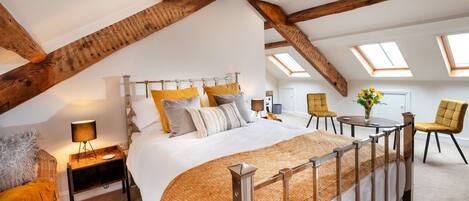
Apartamento estudio de lujo - Centro de la ciudad
Whitehaven
Apartamento estudio de lujo - Centro de la ciudad
Whitehaven
- Lavadora
- Secadora
- Microondas
10.0 sobre 10, Excepcional, (3 comentarios)
10/10
Excepcional
(3 comentarios)
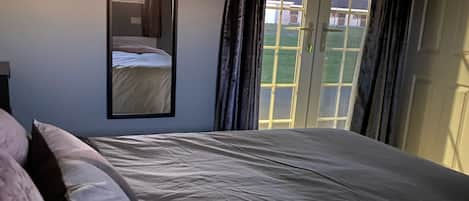
Cumberland stable lodge
Workington
Cumberland stable lodge
Workington
- Bañera de hidromasaje
- Cocina
- Lavadora
- Wifi gratis
9.8 sobre 10, Excepcional, (89 comentarios)
9,8/10
Excepcional
(89 comentarios)

Alojamiento de 4 habitaciones en Calderbridge, near Gosforth and Wasdale
Calderbridge, near Gosforth and Wasdale
Alojamiento de 4 habitaciones en Calderbridge, near Gosforth and Wasdale
Calderbridge, near Gosforth and Wasdale
- Cocina
- Lavadora
- Wifi gratis
- Espacio al aire libre
10.0 sobre 10, Excepcional, (2 comentarios)
10/10
Excepcional
(2 comentarios)

Flat 2, Omega Court, Whitehaven
Whitehaven
Flat 2, Omega Court, Whitehaven
Whitehaven
- Cocina
- Lavadora
- Se aceptan mascotas
- Aparcamiento disponible

Guillemot Retreat Near St Bees
St Bees
Guillemot Retreat Near St Bees
St Bees
- Cocina
- Se aceptan mascotas
- Espacio al aire libre
- Aparcamiento disponible

Alojamiento de 1 habitaciones en St Bees, near Whitehaven
St Bees, near Whitehaven
Alojamiento de 1 habitaciones en St Bees, near Whitehaven
St Bees, near Whitehaven
- Cocina
- Lavadora
- Se aceptan mascotas
- Wifi gratis
10.0 sobre 10, Excepcional, (10 comentarios)
10/10
Excepcional
(10 comentarios)

Apartamento de 2 habitaciones en Egremont con aparcamiento y wifi gratuitos
Egremont
Apartamento de 2 habitaciones en Egremont con aparcamiento y wifi gratuitos
Egremont
- Cocina
- Lavadora
- Microondas

The Cat Inn - Apartamento con vistas a la montaña
Egremont
The Cat Inn - Apartamento con vistas a la montaña
Egremont
- Cocina
- Microondas

Lovely 2BED Whitehaven Apartment with Sea Views
Whitehaven
Lovely 2BED Whitehaven Apartment with Sea Views
Whitehaven
- Cocina
- Lavadora
- Microondas

Harbourside Apartments, Whitehaven
Whitehaven
Harbourside Apartments, Whitehaven
Whitehaven
- Cocina
- Lavadora

Keekle Terrace, Cleator Moor
Cleator Moor
Keekle Terrace, Cleator Moor
Cleator Moor
- Cocina
- Lavadora
- Espacio al aire libre

High Wreah Bolt Hole, Cleator Moor
Whitehaven
High Wreah Bolt Hole, Cleator Moor
Whitehaven
- Se aceptan mascotas
- Aparcamiento disponible
- Cocina
10.0 sobre 10, Excepcional, (1 comentario)
10/10
Excepcional
(1 comentario)
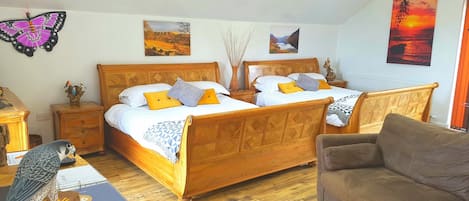
Windsor Cottage is a high quality studio in a world Heritage Valley
Wasdale
Windsor Cottage is a high quality studio in a world Heritage Valley
Wasdale
- Cocina
- Se aceptan mascotas
- Wifi gratis
- Espacio al aire libre

Puffin: Charming Retreat in St Bees
St Bees
Puffin: Charming Retreat in St Bees
St Bees
- Cocina
- Se aceptan mascotas
- Espacio al aire libre
- Aparcamiento disponible

Bright 1 Bed Whitehaven Apartment - Harbour Views
Whitehaven
Bright 1 Bed Whitehaven Apartment - Harbour Views
Whitehaven
- Cocina
- Lavadora
- Espacio al aire libre
- Vistas al agua

Spacious 1 Bed Whitehaven Apartment with Sea Views
Whitehaven
Spacious 1 Bed Whitehaven Apartment with Sea Views
Whitehaven
- Cocina
- Lavadora
- Microondas

THE GATE HOUSE ANNEXE, romantic in Cockermouth
Cockermouth
THE GATE HOUSE ANNEXE, romantic in Cockermouth
Cockermouth
- Lavadora
- Aparcamiento disponible

VICTRONEEN COTTAGE, pet friendly, with a garden in Whitehaven
Whitehaven
VICTRONEEN COTTAGE, pet friendly, with a garden in Whitehaven
Whitehaven
- Lavadora
- Se aceptan mascotas
- Espacio al aire libre
- Aparcamiento disponible

1 Bed in Cockermouth (oc-h32941)
Cockermouth
1 Bed in Cockermouth (oc-h32941)
Cockermouth
- Cocina
- Lavadora
- Se aceptan mascotas
- Wifi gratis

Lake District hideaway for 3 plus dogs - perfect for sharers, couples & families
Santon Bridge
Lake District hideaway for 3 plus dogs - perfect for sharers, couples & families
Santon Bridge
- Se aceptan mascotas
- Aparcamiento disponible
- Chimenea
- Microondas
Normas del alojamiento
Hora de comienzo del registro de entrada: 15:00
Edad mínima para alquilar: 18
Hora límite del registro de salida: 10:00
Menores
Se admiten niños a partir de cualquier edad
Eventos
No se permiten eventos
Mascotas
Se admiten mascotas
Fumadores
No se permite fumar
Información importante
Otros detalles
Número de alojamiento: 12090269
Si cancelas tu reserva, se aplicará la política de cancelación de tu propietario/a. De acuerdo con la normativa de la UE sobre los derechos del consumidor, los servicios de reserva de alojamiento no están sujetos al derecho de desistimiento.
Este alojamiento está gestionado por un propietario profesional. La prestación de servicios de alojamiento está vinculada a una actividad comercial, un negocio o una profesión.
Puede aplicarse un recargo por cada persona adicional, según la política del alojamiento.
A tu llegada, pueden pedirte un documento de identidad oficial con foto y una tarjeta de crédito o débito, o un depósito en efectivo, para cubrir los gastos imprevistos.
No se garantizan las solicitudes especiales, que están sujetas a disponibilidad en el momento de la llegada y pueden suponer un recargo adicional.
Está terminantemente prohibido celebrar fiestas u otros eventos en grupo en las instalaciones.
El propietario ha indicado que el alojamiento cuenta con un detector de monóxido de carbono.
El propietario ha indicado que el alojamiento cuenta con un detector de humo.
Información sobre la zona
Whitehaven
Este apartamento se encuentra en Whitehaven, en la ribera de un río. Whitehaven Castle y St Nicholas’ Church Ruins son algunos de los lugares emblemáticos de la región, cuya belleza natural puedes admirar en Cabo de St Bees y Clints Quarry. ¿Te apetece disfrutar de un evento especial? Puedes consultar el calendario de Rowrah Circuit o Borough Park. Descubre todas las actividades acuáticas que podrás hacer en la zona (por ejemplo, pesca); además tendrás ocasión de disfrutar de la naturaleza al aire libre con opciones como el ciclismo.

Whitehaven, England
Qué hay en los alrededores
- St Bees Priory Church - A 8 min en coche - 4.0 km
- Playa de St. Bees - A 16 min en coche - 6.0 km
- Whitehaven Castle - A 19 min en coche - 15.0 km
- Museo The Rum Story - A 20 min en coche - 15.4 km
- Museo The Beacon - A 21 min en coche - 15.7 km
Cómo moverse por la zona
- Estación de tren de St Bees: 6 min en coche
Restaurantes
- Haig Pit Bakehouse - A 5 min en coche
- Barwises Chippy - A 4 min en coche
- McDonald's - A 7 min en coche
- Rugby League Club - A 6 min en coche
- Cottage Chippy - A 6 min en coche
Preguntas frecuentes
¿En Cosy Lake District Village Apartment, Whitehaven se aceptan mascotas?
Sí, las mascotas pueden hospedarse en este alojamiento.
¿Cuál es el precio del aparcamiento en Cosy Lake District Village Apartment, Whitehaven?
El alojamiento cuenta con estacionamiento propio.
¿A qué hora se realiza la entrada en Cosy Lake District Village Apartment, Whitehaven?
Hora de inicio del registro de entrada: 15:00.
¿A qué hora se realiza la salida en Cosy Lake District Village Apartment, Whitehaven?
La salida se realiza a las 10:00.
¿Dónde se encuentra Cosy Lake District Village Apartment, Whitehaven?
En la ribera de un río, este edificio de apartamentos se encuentra a menos de 5 kilómetros de Cabo de St Bees, Playa de St. Bees y St Bees Priory Church. Museo The Beacon y Whitehaven Castle también están a menos de 5 kilómetros.
Acerca de su propietario/a
Su propietario/a
Dinos cómo podemos mejorar nuestro sitio webCompartir opinión