
プール付きヴィラのビロカーレ
Bilocale in Villa con Piscina
プール付きヴィラのビロカーレの写真ギャラリー


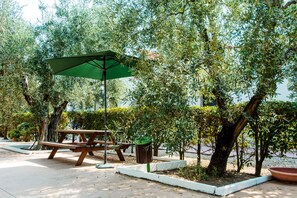

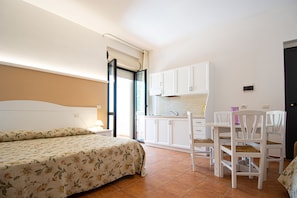
おすすめポイント
屋外プール
広い空の下、屋外プールで爽快感を味わえる、このエリアでは希少な施設です。
定員 6 名•ベッドルーム 2 室•ベッド 4 台
人気の設備とサービス
- バルコニー
- 屋外プールの数 - 1
- 簡易キッチン
- ペット同伴可
- 冷房
- 朝食 (有料)
周辺ガイド
Margherita di Savoia, Puglia
- サリナ ディ マルゲリータ ディ サヴォイア自然保護区Place, サリナ ディ マルゲリータ ディ サヴォイア自然保護区徒歩 2 分
- サン ニコラ ペレグリーノ大聖堂Place, サン ニコラ ペレグリーノ大聖堂車で 41 分
- トラーニ ビーチPlace, トラーニ ビーチ車で 42 分
客室 & ベッド
ベッドルーム 2 室 (定員 6 名)
ベッドルーム 1
シングルベッド 2 台およびダブルベッド 1 台
ベッドルーム 2
ダブルベッド 1 台
バスルーム 1 室
バスルーム 1
ビデ · トイレ · シャワーのみ
バスルーム 2
ビデ · トイレ · シャワーのみ
その他のスペース
テラスまたはパティオ
簡易キッチン
バルコニー
庭園
この施設について
プール付きヴィラのビロカーレ
Residence Azzurro Arcobaleno, located within the Masseria Giardino degli Ulivi, is set on a vast estate of centuries-old olive trees and features traditional Apulian architecture. Surrounded by expansive Mediterranean-style gardens, it is just a 2-minute walk from the sea and the Margherita di Savoia Salt Pans Nature Reserve, the largest in Europe. The property features a semi-Olympic-sized pool and a children’s pool, 2 soccer fields, a tennis court, a playground, parking, and free Wi-Fi
The two-room apartment consists of two adjoining bedrooms—one with a double bed and an interior patio, and the other with a double bed and twin beds—as well as a kitchenette and a veranda.
Both rooms have a bathroom with a shower, air conditioning, and a color TV.
The kitchenette is equipped with a refrigerator, sink, two-burner electric stove, range hood, dish rack, kitchenware, and dishes.
Each apartment is equipped with the necessary supplies for routine cleaning.
.
日付を指定して料金を検索
類似した宿泊施設

メゾン・ブランカレオーネ カーサ・ヴァカンツェ
サンタ マリア
メゾン・ブランカレオーネ カーサ・ヴァカンツェ
サンタ マリア
- キッチン
- 洗濯機
- ペット可
- WiFi (無料)
10 段階中 10.0、最高に素晴らしい、(4 件の口コミ) 件の口コミ
10/10
最高に素晴らしい
(4 件の口コミ)

ソレマーレ バルレッタアパートメント:オーシャンビューのベランダスイート
サンタ マリア
ソレマーレ バルレッタアパートメント:オーシャンビューのベランダスイート
サンタ マリア
- キッチン
- 洗濯機
- WiFi (無料)
- 冷房
10 段階中 10.0、最高に素晴らしい、(1 件の口コミ) 件の口コミ
10/10
最高に素晴らしい
(1 件の口コミ)

海へのプライベートアクセス付きの広々とした独立したヴィラ
Margherita di Savoia
海へのプライベートアクセス付きの広々とした独立したヴィラ
Margherita di Savoia
- キッチン
- 洗濯機
- WiFi (無料)
- 冷房
10 段階中 8.8、非常に良い、(5 件の口コミ) 件の口コミ
8.8/10
非常に良い
(5 件の口コミ)
ハウスルール
チェックイン : 15:00 以降
チェックアウト : 10:30 より前
お子様
子供の利用可 : 0 ~ 17 歳
イベント
イベント不可
ペット
ペットとの宿泊可 : 合計 1 匹まで
喫煙
喫煙不可
重要事項
ご宿泊に際して
施設の登録番号 : BT11001031000014332
施設番号 : 10685135
施設の定める利用規約に従って、追加ゲスト料金がかかる場合があります
場合により、チェックイン時に政府発行の写真付き身分証明書と付随費用精算のためのクレジットカード / デビットカードのご提示、または現金でのデポジットのお支払いが必要です
宿泊施設への要望は、チェックイン時の状況によりご希望に添えない場合があり、内容によっては追加料金が発生することがあります。対応は確約ではございませんのでご了承ください
敷地内でのパーティーやグループイベントの開催は固く禁止されています
施設における一酸化炭素検知器の有無について、オーナーから情報提供はありません。ポータブル検知器の持ち込みをご検討ください
施設における煙感知器の有無について、オーナーから情報提供はありません
この施設には、バルコニー、パティオ、テラスなど安全面からお子様に適さない可能性がある屋外スペースがあります。ご心配な場合は、ご到着前に施設にお問い合わせの上、適切な客室に宿泊できるか確認することをおすすめします。
周辺地域について
マーガリタ ディ サボイア
このヴィラは、マーガリタ ディ サボイアのビーチの近くに位置しています。文化的な体験を求めているなら、クルチ劇場やアート ギャラリー ジュゼッペ デ ニッティスへ行きましょう。人気の観光スポットには、イポジェイ考古学公園やサン ジャコモ マッジョーレ教区教会などがあります。
Margherita di Savoia, Puglia
周辺情報
- サリナ ディ マルゲリータ ディ サヴォイア自然保護区 - 徒歩 2 分 - 0.2 km
- サン ニコラ ペレグリーノ大聖堂 - 車で 41 分 - 34.0 km
- トラーニ マリーナ - 車で 41 分 - 34.0 km
- トラーニ ビーチ - 車で 42 分 - 35.9 km
- パイアス アソシエーション ルイーザ ピッカッレッタ - 車で 53 分 - 50.0 km
交通案内
- トリニターポリ サン フェルディナンド ディ プーリア駅から車で 6 分
- カロル ウォイティワ空港 (BRI) から車で 49 分
レストラン
- Canneto Beach 2 Pizza - 車で 4 分
- La Brace - 車で 3 分
- Pizzeria Vecchia Napoli - 徒歩 16 分
- Cafe Real - 徒歩 18 分
- Bar Bar Cafe - 車で 2 分
よくあるご質問
プール付きヴィラのビロカーレにプールはありますか ?
はい、この宿泊施設には屋外プールがあります。
プール付きヴィラのビロカーレはペットと宿泊できますか ?
はい、この宿泊施設にはペットを同伴できます (1 室につき 1 匹まで)。いくつかの制限が適用される場合がありますので、詳細は施設にお問い合わせください。
プール付きヴィラのビロカーレの駐車料金はいくらですか ?
施設内駐車場をご利用いただけます。
プール付きヴィラのビロカーレのチェックインは何時ですか ?
チェックイン開始は 15:00 です。
プール付きヴィラのビロカーレのチェックアウトは何時ですか ?
チェックアウトは 10:30 です。
プール付きヴィラのビロカーレはどこにありますか ?
海沿いにあるこのヴィラは、サリナ ディ マルゲリータ ディ サヴォイア自然保護区まで歩いてすぐの場所にあり、イポジェイ考古学公園から 4.8 km です。サン ジャコモ マッジョーレ教区教会およびクルチ劇場も 15 km 圏内です。
オーナーについて
オーナー : Masseria Giardino degli Ulivi

References to a farmstead called Masseria Giardino, located in the district of the same name, can already be found in ancient inventories (known as “cabrei”), in which notaries periodically described the rural properties of the Magistral Commenda della Terra del Casale. These documents link the name of the area to that of the Order of the Knights of Malta, who, through the “Compra del Feudo” (purchase of the fief) on June 13, 1589, acquired the Casale della Trinità along with all its assets and privileges from the Barletta nobleman Giovanni Mattia Marulli.
According to these sources, the properties on the farms generally consisted of a single-story house, a well for drawing water, stone structures used for watering animals, and grain storage pits. The Order received a large quantity of wheat and barley from the estates, paid annually, which was used to sustain the Knights of St. John stationed in the East. In 1798, Napoleon’s occupation of Malta brought an end to the Order’s political and military presence, and the lands of the Commenda were sold to the wealthiest local families.
The Giardino degli Ulivi, like the other farms scattered throughout the Apulian countryside, has centuries of history behind it, which our recent research has brought to light. Traditionally a hallmark of the Apulian economy—which was primarily agricultural and pastoral in nature—these farms proliferated particularly along the so-called “tratturi,” the trails traveled by Abruzzese shepherds during their autumnal search for a milder climate for their flocks.
The Tavoliere delle Puglie was a favored destination along the transhumance routes, not only because of the vastness of its plains but also because of the ease with which salt—used both in leather tanning and in cheese production—could be obtained in the coastal areas.
言語 :
英語, イタリア語, スペイン語
弊社サービスについてご意見をお聞かせくださいご意見の送信