ãã£ãã³
ãã»ã¹ã€ã³ã¹ã〠æŽå²çãªãã¯ã€ããã€ã³ãã£ã³ãã§ã¯ãŒãªããžãã£ãã³
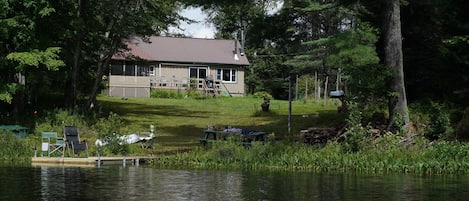
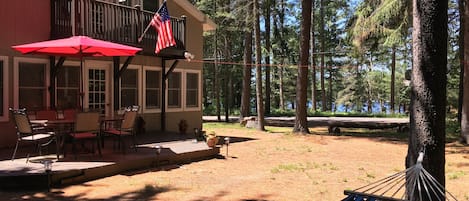
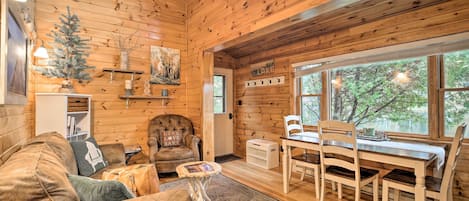
Mrs Coolidge's Cabin
ãã»ã¹ã€ã³ã¹ã〠æŽå²çãªãã¯ã€ããã€ã³ãã£ã³ãã§ã¯ãŒãªããžãã£ãã³ã®åçã®ã£ã©ãªãŒ


å£ã³ã
10段éäž10
æé«ã«çŽ æŽããã
ãããã«ãŒã 2 宀ãã¹ã«ãŒã 2 宀å®å¡ 7 å185 ã¡
人æ°ã®èšåãšãµãŒãã¹
客宀 & ããã
ãããã«ãŒã 2 宀 (å®å¡ 7 å)
ãããã«ãŒã 1
ã¯ã€ãŒã³ããã 1 å°
ãããã«ãŒã 2
ã·ã³ã°ã«ããã 3 å°ããã³ã¯ã€ãŒã³ããã 1 å°
ãã¹ã«ãŒã 2 宀
ãã¹ã«ãŒã 1
济槜ãŸãã¯ã·ã£ã¯ãŒ · 济槜 · ãã€ã¬
ãã¹ã«ãŒã 2
济槜ãŸãã¯ã·ã£ã¯ãŒ · 济槜 · ãã€ã¬
ãã®ä»ã®ã¹ããŒã¹
ãããã³
ãã€ãã³ã°ã¹ããŒã¹
ãã®æœèšã«ã€ããŠ
ãã»ã¹ã€ã³ã¹ã〠æŽå²çãªãã¯ã€ããã€ã³ãã£ã³ãã§ã¯ãŒãªããžãã£ãã³
æ¥ä»ãæå®ããŠæéãæ€çŽ¢
é¡äŒŒããå®¿æ³æœèš

Beautiful waterfront cabin; breathtaking views of Whiteface Mountain
- ãããã³
- ãããå¯
- WiFi (ç¡æ)
- å±å€ã¹ããŒã¹
10 段éäž 9.8ãæé«ã«çŽ æŽãããã(33 ä»¶ã®å£ã³ã) ä»¶ã®å£ã³ã
ããŠã¹ã«ãŒã«
ãã§ãã¯ã€ã³ : 16:00 以é
代衚è
ã®æäœå¹Žéœ¢ : 18 æ³
ãã§ãã¯ã¢ãŠã : 10:30 ããå
ãåæ§
åäŸã®å©çšå¯ : 0 ïœ 17 æ³
ã€ãã³ã
ã€ãã³ãå¯
Weddings & private parties, Group parties
ããã
ããããšã®å®¿æ³äžå¯
å«ç
å«ç
äžå¯
éèŠäºé
ã 宿æ³ã«éããŠ
æœèšã®å®ããå©çšèŠçŽã«åŸã£ãŠã远å ã²ã¹ãæéããããå ŽåããããŸã
å Žåã«ããããã§ãã¯ã€ã³æã«æ¿åºçºè¡ã®åçä»ã身åèšŒææžãšä»éè²»çšç²Ÿç®ã®ããã®ã¯ã¬ãžããã«ãŒã / ããããã«ãŒãã®ãæç€ºããŸãã¯çŸéã§ã®ãããžããã®ãæ¯æããå¿
èŠã§ã
å®¿æ³æœèšãžã®èŠæã¯ããã§ãã¯ã€ã³æã®ç¶æ³ã«ãããåžæã«æ·»ããªãå Žåããããå
容ã«ãã£ãŠã¯è¿œå æéãçºçããããšããããŸãã察å¿ã¯ç¢ºçŽã§ã¯ããããŸããã®ã§ãäºæ¿ãã ãã
æ·å°å
ã§ããŒãã£ãŒãã€ãã³ãã®éå¬ãå¯èœã§ã
ãªãŒããŒããã®æ³šèšäºé
: Weddings & private parties, Group parties
ãªãŒããŒã«ãããšãæœèšã«äžé
žåççŽ æ€ç¥åšããããšã®ããšã§ã
ãªãŒããŒã«ãããšãæœèšã«ç
æç¥åšããããšã®ããšã§ã
ãã®æœèšã«ã¯å®å
šèšåãšããŠãæ¶ç«åšãåãã£ãŠããŸã
ãã®ä»ã®æ å ±
ãã®æœèšãžã®ã¢ã¯ã»ã¹ã«ã¯è»äž¡ããå©çšããã ãããããããããŠããŸã
åšèŸºå°åã«ã€ããŠ
ã¬ã€ã³ã㌠ã¬ã€ã¯
ãã®ãã£ãã³ã¯ãã¬ã€ã³ ã㌠ã¬ã€ã¯ã®å·æ²¿ãã«ãããåžå
äžå¿éšã«äœçœ®ããŠããŸãããµã©ã㯠ã¬ã€ã¯ ã¢ãã£ãã³ããã¯ã®é§
èãšãããŒã ã«ã€ã¹ ã¹ãã£ãŒãŽã³ãœã³ ã³ããŒãž & ãã¥ãŒãžã¢ã ã¯å°åã®äººæ°ã¹ããããå°åã®èªç¶çŸãå ªèœãããªããã»ã³ãã¬ãžã¹ã«ããŒãšãªã¢ãã°ã¬ãŒãããŒã³ãããããã§ããã«ã€ãã¯ãã©ããã£ã³ã°ãšãã£ããŠã©ãŒã¿ãŒã¢ã¯ãã£ããã£ã®ã»ãããµã€ã¯ãªã³ã°ãããŠã³ãã³ãã€ã¯ãªã©ã®ã¢ãŠããã¢ã楜ããããšãã§ããŸãã

Paul Smiths, NY
åšèŸºæ å ±
- ãã©ã€ãã³ã»ã¿ãŠã³ããŒã« - è»ã§ 6 å - 4.4 km
- ããŒã«ã»ã¹ãã¹å€§åŠ - è»ã§ 8 å - 6.9 km
- ãžã§ã¢ã³ã»ã¯ã€ã«ã»ã¢ãã£ãã³ããã¯å³æžé€š - è»ã§ 8 å - 6.9 km
- ã°ã¬ãŒãããŒã³ - è»ã§ 8 å - 6.9 km
- ããŒã«ã¹ãã¹ãºå€§åŠããžã¿ãŒ ã€ã³ã¿ãŒããªãã£ã ã»ã³ã¿ãŒ - è»ã§ 8 å - 8.0 km
äº€éæ¡å
ã¬ã¹ãã©ã³
- âªJoan Weill Student Center - â¬è»ã§ 10 å
- âªBobcat Lounge - â¬è»ã§ 10 å
- âªDonnelly's Ice Cream - â¬è»ã§ 17 å
- âªCharlie's Inn - â¬è»ã§ 17 å
- âªAdk Cavu Cafe - â¬è»ã§ 21 å
ããããã質å
å£ã³ã
10
æé«ã«çŽ æŽããã
å£ã³ãã¯æ°ããé ã«è¡šç€ºãããŠããŸãããŸããã®å
容ã¯å¯©æ»å¯Ÿè±¡ãšãªããå¥éèšèŒããªãéãæ€èšŒãããŠããŸãã
詳现ã¯ãã¡ãæ°ãããŠã£ã³ããŠã§éã10/10
æž
æœåºŠ
10/10
ãã§ãã¯ã€ã³
10/10
ã³ãã¥ãã±ãŒã·ã§ã³
10/10
ãã±ãŒã·ã§ã³
10/10
æ²èŒæ
å ±ã®æ£ç¢ºã
å£ã³ã
宿æ³è
éå®ã®å£ã³ã
2022 幎 2 æ 22 æ¥
è¯ãã£ãç¹ : æž
æœåºŠããã§ãã¯ã€ã³ãã³ãã¥ãã±ãŒã·ã§ã³ããã±ãŒã·ã§ã³ãæ²èŒæ
å ±ã®æ£ç¢ºã
2022 幎 2 æã« 3 æ³æ»åš
宿æ³è
éå®ã®å£ã³ã
10/10 (éåžžã«è¯ã)
Jason C.
2020 幎 3 æ 2 æ¥
è¯ãã£ãç¹ : æž
æœåºŠããã§ãã¯ã€ã³ãã³ãã¥ãã±ãŒã·ã§ã³ããã±ãŒã·ã§ã³ãæ²èŒæ
å ±ã®æ£ç¢ºã
Great place!
Jason C.
2020 幎 2 æã« 3 æ³æ»åš
宿æ³è
éå®ã®å£ã³ã
10/10 (éåžžã«è¯ã)
Joe C.
2019 幎 12 æ 11 æ¥
è¯ãã£ãç¹ : æž
æœåºŠããã§ãã¯ã€ã³ãã³ãã¥ãã±ãŒã·ã§ã³ããã±ãŒã·ã§ã³ãæ²èŒæ
å ±ã®æ£ç¢ºã
Prestine
Joe C.
2019 幎 12 æã« 2 æ³æ»åš
ãªãŒããŒã«ã€ããŠ
ãªãŒã㌠: Tim Moody 518-327-3030
The Builders
At the turn of the twentieth century, much of the St. Regis Lakes area was owned by Paul Smith lumber baron, inn keeper, and raconteur. Many of Smithâs prominent hotel guests subsequently purchased lakefront property from Smith to build their own summer homes, or camps, as they came to be known. One such buyer was Archibald S. White, a prominent New York banker, and his socialite wife, Olive. The Whites purchased 35 acres covered with white and red pine trees overlooking what then was called Lake Osgood.
In 1907 White commissioned New York architect William Massarene to design his Adirondack camp, just a short boat ride from Paul Smithâs Hotel. Ben Muncil, the regionâs unschooled master camp builder, was the contractor. White also hired interior designer and architect Addison Mizner to work on furnishings and decor and design several additions and alterations. White Pine Camp was one of Miznerâs first commissions. He went on to become one of Americaâs leading architects and the visionary behind the development of Boca Raton, Florida.
At the turn of the twentieth century, much of the St. Regis Lakes area was owned by Paul Smith lumber baron, inn keeper, and raconteur. Many of Smithâs prominent hotel guests subsequently purchased lakefront property from Smith to build their own summer homes, or camps, as they came to be known. One such buyer was Archibald S. White, a prominent New York banker, and his socialite wife, Olive. The Whites purchased 35 acres covered with white and red pine trees overlooking what then was called Lake Osgood.
In 1907 White commissioned New York architect William Massarene to design his Adirondack camp, just a short boat ride from Paul Smithâs Hotel. Ben Muncil, the regionâs unschooled master camp builder, was the contractor. White also hired interior designer and architect Addison Mizner to work on furnishings and decor and design several additions and alterations. White Pine Camp was one of Miznerâs first commissions. He went on to become one of Americaâs leading architects and the visionary behind the development of Boca Raton, Florida.
ãã®å®¿æ³æœèšã®ãªãŒããŒã«ãªã£ãçç±
The Camp
The camp that Massarene, Muncil and Mizner designed and built would be architecturally unique among the Great Camps of the Adirondacks. Its 20 original buildings included an ownerâs cabin, dining hall, four or five sleeping cabins, two boat houses, a tennis house, bowling alley a Japanese tea house that would become one of the Adirondacksâ most iconic images. But unlike the heavy log style first developed by William West Durant or the ornate artistry associated with later Adirondack styles, White Pine Campâs builders effected a more subtle rustic expression. Their âpre-modernâ composition featured soaring roof lines, asymmetrical -shaped buildings, and the extensive use of dramatic, natural lighting. If windows are indeed the eyes of a home, White Pine Campâs unusually shaped windows--in corners and clearstories--open every room to a kaleidoscopic array of natural light textures.
Another one of the buildersâ innovations was the rough-milled siding developed by Muncil and Paul Smithâs millwright, Charles Nichols. It was a compromise between more traditional clapboard siding and the rustic slab siding typical of other Adirondack camps. Muncil and Nicholsâ âbrainstorm sidingâ, as they humorously referred to their innovation, soon became a common element of Adirondack architecture. Also known as âAdirondack sidingâ, it soon spread throughout the region and beyond.
In addition to its innovative architectural style, White Pine Campâs designers surrounded their buildings with the most extensive landscape architecture of any Adirondack rustic estate to date. Its masonry walls, paths, bridges, flower plantings and lush rhododendron gardens create a medley of natural elements that embrace the campâs grounds.
The camp that Massarene, Muncil and Mizner designed and built would be architecturally unique among the Great Camps of the Adirondacks. Its 20 original buildings included an ownerâs cabin, dining hall, four or five sleeping cabins, two boat houses, a tennis house, bowling alley a Japanese tea house that would become one of the Adirondacksâ most iconic images. But unlike the heavy log style first developed by William West Durant or the ornate artistry associated with later Adirondack styles, White Pine Campâs builders effected a more subtle rustic expression. Their âpre-modernâ composition featured soaring roof lines, asymmetrical -shaped buildings, and the extensive use of dramatic, natural lighting. If windows are indeed the eyes of a home, White Pine Campâs unusually shaped windows--in corners and clearstories--open every room to a kaleidoscopic array of natural light textures.
Another one of the buildersâ innovations was the rough-milled siding developed by Muncil and Paul Smithâs millwright, Charles Nichols. It was a compromise between more traditional clapboard siding and the rustic slab siding typical of other Adirondack camps. Muncil and Nicholsâ âbrainstorm sidingâ, as they humorously referred to their innovation, soon became a common element of Adirondack architecture. Also known as âAdirondack sidingâ, it soon spread throughout the region and beyond.
In addition to its innovative architectural style, White Pine Campâs designers surrounded their buildings with the most extensive landscape architecture of any Adirondack rustic estate to date. Its masonry walls, paths, bridges, flower plantings and lush rhododendron gardens create a medley of natural elements that embrace the campâs grounds.
ãã®å®¿æ³æœèšã®ç¹åŸŽ
As a guest, you have your choice of 13 distinctive cabins and cottages with soaring roof lines, hand-built Adirondack-style furniture, stone fireplaces or wood stoves, and breathtaking views. Two cottages are pet-friendly, and most have private porches or patios.
Also, as a guest, you have total and unlimited access to all our facilities and activities.
Want to go fishing or boating? Just walk down to one of our two boathouses and grab a canoe, rowboat or kayak.
Want to hike? Head out on a trail right outside your door.
Want to swim? Enjoy an invigorating dip in the crystal-clear waters of Osgood Pond.
Like to bowl? You can do so in the vintage bowling alley used by the President himself... as long as you set your own pins.
And don't forget to bring a good book. White Pine Camp literally has dozens of indoor and outdoor hideaways to while away a lazy afternoon - be it by a roaring fire in the 'Great Room,' on a rustic bench in our Alpine garden, or in our iconic Japanese tea house on a tiny island accessed by a 300-foot wooden bridge.
Should you tear yourself away from camp, you'll find an entire smorgasbord of natural adventures. We are surrounded by the St. Regis Canoe Wilderness, with some of the most extensive paddling routes in the country. And, 'down the street' - our version of two miles - is Paul Smith's College, where you are welcome to enjoy the fitness center, café and Visitor Interpretive Center, the ultimate source on snowshoe, cross-country skiing, bird watching and back-country hiking.
Also, as a guest, you have total and unlimited access to all our facilities and activities.
Want to go fishing or boating? Just walk down to one of our two boathouses and grab a canoe, rowboat or kayak.
Want to hike? Head out on a trail right outside your door.
Want to swim? Enjoy an invigorating dip in the crystal-clear waters of Osgood Pond.
Like to bowl? You can do so in the vintage bowling alley used by the President himself... as long as you set your own pins.
And don't forget to bring a good book. White Pine Camp literally has dozens of indoor and outdoor hideaways to while away a lazy afternoon - be it by a roaring fire in the 'Great Room,' on a rustic bench in our Alpine garden, or in our iconic Japanese tea house on a tiny island accessed by a 300-foot wooden bridge.
Should you tear yourself away from camp, you'll find an entire smorgasbord of natural adventures. We are surrounded by the St. Regis Canoe Wilderness, with some of the most extensive paddling routes in the country. And, 'down the street' - our version of two miles - is Paul Smith's College, where you are welcome to enjoy the fitness center, café and Visitor Interpretive Center, the ultimate source on snowshoe, cross-country skiing, bird watching and back-country hiking.
èšèª :
è±èª
ãã¬ãã¢ãªãŒããŒ
ã客æ§ã«å¯ŸããŠåžžã«åªãããµãŒãã¹ãæäŸããŠããŸã
åŒç€ŸãµãŒãã¹ã«ã€ããŠãæèŠããèãããã ãããæèŠã®éä¿¡