Verified review
10/10 Excellent
KARIN AGNES K.
29 Mar, 2024
Liked: Cleanliness, check-in, communication, location, listing accuracy
Top apartment and friendly host
Stayed 8 nights in Mar 2024


Get instant answers with AI powered search of property information and reviews.






No, pets are not allowed at this property.
As of 16 Oct, 2026, prices found for a 1-night stay for 2 adults at One-Bedroom Apartment in Florence on 4 Nov, 2026 start from S$989, including taxes and fees. This price is based on the lowest nightly price found in the last 24 hours for stays in the next 30 days. Prices are subject to change. Choose your dates for more accurate prices.
Check-in begins at 3:30 PM.
Checkout is at 11:00 AM.
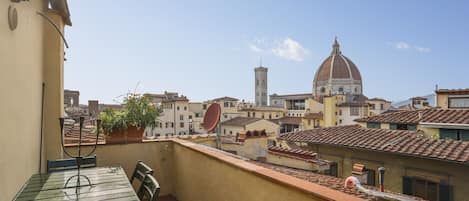
Located in Historic Centre of Florence, this apartment building is within a 5-minute walk of Palazzo Medici Riccardi and Cathedral of Santa Maria del Fiore. Piazza del Duomo and Basilica of Santa Maria Novella are also within 10 minutes. Unità Tram Stop is 7 minutes by foot and San Marco University Tram Stop is 7 minutes.
