
アパートメント
Cortina 2-24 Comfortable two-room apartment facing the sea
Cortina 2-24 Comfortable two-room apartment facing the sea
Cortina 2-24 Comfortable two-room apartment facing the seaの写真ギャラリー
口コミ
8.410段階中8.4
とても良い
ベッドルーム 1 室バスルーム 1 室定員 5 名
人気の設備とサービス
- ペット同伴可
- 簡易キッチン
- 洗濯機
- 冷房
- バルコニー
- バルコニーまたはパティオ
周辺ガイド

Comacchio, Ferrara
- ポンポーザ サーキットPlace, ポンポーザ サーキット車で 5 分
- ヴァレ ディ コマッキオPlace, ヴァレ ディ コマッキオ車で 8 分
- ポー デルタ公園Place, ポー デルタ公園車で 12 分
客室 & ベッド
ベッドルーム 1 室 (定員 5 名)
ベッドルーム 1
シングルベッド 2 台
バスルーム 1 室
バスルーム 1
トイレ · シャワーのみ
その他のスペース
簡易キッチン
バルコニー
この施設について
Cortina 2-24 Comfortable two-room apartment facing the sea
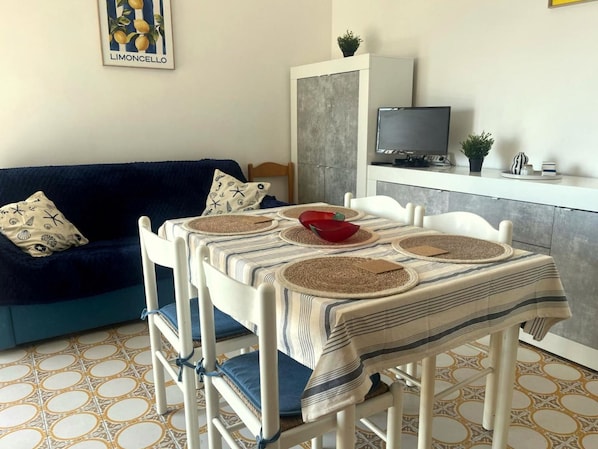
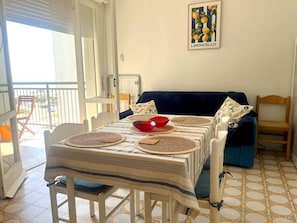
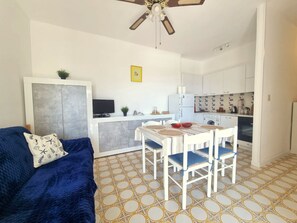
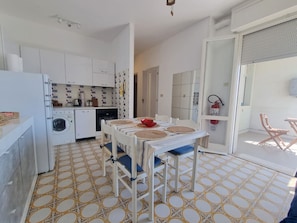
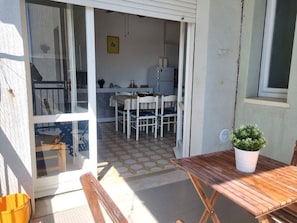
We offer for rent this lovely two-room holiday home in Lido di Pomposa, located on the 4th floor in a seafront condominium with elevator, a stone's throw from the main avenue that becomes pedestrian on summer evenings, close to all services. The house has been partially renovated and is composed as follows: a living room with a balcony overlooking the sea, a double sofa bed, TV with satellite decoder, kitchenette with induction hob and dishwasher, double bedroom + single bed, bathroom, washing machine, air conditioning.
Comacchio is about 10 km away and is the most original and fascinating historical center in Po Delta Park.
Origin of the ancient Spina, long controversial from Ferrara and Ravenna, by the Popes and Emperors, has ancient origins: it rises in fact at the dawn of the Middle Ages, when the initial settlement settled on a chain of islets emerging in the evergreen mouth of the Padana.
Fishing, shellfish, salt production were the source of its flourishingness and its overturns, due to the conflicts that opposed it to Venice. After the Estense era, during the Pontifical State, the city revived, so much so that the happiest architectural and monumental interventions dates back to the sixth-eighteenth century.
Now Comacchio is a lagoon town that enchants: it is gentle and genuine, with a vitality that is lymph in respect to its own history and the desire to valorize it. A widespread reminder remembers the proximity to the sea, whose light fills the urban spaces, even more potentiated by the quiet areas of the canals.
The town of Comacchio and its valleys represent the "heart" of the Delta, are in fact the green lungs of the whole Adriatic coast from Chioggia to Cattolica. The Comacchio Lagoon are the real museum and represent one of the most important lagoon complexes in Italy and Europe. They extend to the provinces of Ferrara and partly to Ravenna, for more than 11,000 hectares, between Comacchio and the River Reno, and are connected to the sea through the channels of Magnavacca, Logonovo, Bellocchio and Gobbino. Formations of brackish water, they represent an important biotope of brackish water wet zone, made up of extreme alofil vegetation and declared of international interest, according to the Ramsar Convention of 1971.
Around the lagoon the historical and economic history of Comacchio has been centered and developed; this is an almost unique example of integration between the natural environment and human activity, where salt production and fisheries have always represented the primary economic bases, to which local craftsmanship was predominantly linked, being almost agriculture is absent and tourism is completely lacking. These latest economic components have developed almost simultaneously with the reclamation and draining of thousands of acres of lagoon, leaving unchanged that part of which is still practiced especially eel fishing with special instruments named Lavoriero.
The total surface is formed by the lagoon "Fossa di Porto" (including Zavelea oasis), "Lido di Magnavacca", "Fattibello" (which in the past was not far used for fishing as a daily livelihood) and "Campo"; has a morphology articulated because of:
artificial crevices created to delineate the catchment basins of the bush, barene and ancient dunosis emerging from the waters.
Boscoforte Peninsula is a very suggestive sandy tongue, extending from the Reno River between the lagoon "Fossa di Porto" and "Lido di Magnavacca" for a length of 6 km, formed by the expanse of a dune-coastal cordon of the Etruscan period.
We offer for rent this lovely two-room holiday home in Lido di Pomposa, located on the 4th floor in a seafront condominium with elevator, a stone's throw from the main avenue that becomes pedestrian on summer evenings, close to all services. The house has been partially renovated and is composed as follows: a living room with a balcony overlooking the sea, a double sofa bed, TV with satellite decoder, kitchenette with induction hob and dishwasher, double bedroom + single bed, bathroom, washing machine, air conditioning.
Comacchio is about 10 km away and is the most original and fascinating historical center in Po Delta Park.
Origin of the ancient Spina, long controversial from Ferrara and Ravenna, by the Popes and Emperors, has ancient origins: it rises in fact at the dawn of the Middle Ages, when the initial settlement settled on a chain of islets emerging in the evergreen mouth of the Padana.
Fishing, shellfish, salt production were the source of its flourishingness and its overturns, due to the conflicts that opposed it to Venice. After the Estense era, during the Pontifical State, the city revived, so much so that the happiest architectural and monumental interventions dates back to the sixth-eighteenth century.
Now Comacchio is a lagoon town that enchants: it is gentle and genuine, with a vitality that is lymph in respect to its own history and the desire to valorize it. A widespread reminder remembers the proximity to the sea, whose light fills the urban spaces, even more potentiated by the quiet areas of the canals.
The town of Comacchio and its valleys represent the "heart" of the Delta, are in fact the green lungs of the whole Adriatic coast from Chioggia to Cattolica. The Comacchio Lagoon are the real museum and represent one of the most important lagoon complexes in Italy and Europe. They extend to the provinces of Ferrara and partly to Ravenna, for more than 11,000 hectares, between Comacchio and the River Reno, and are connected to the sea through the channels of Magnavacca, Logonovo, Bellocchio and Gobbino. Formations of brackish water, they represent an important biotope of brackish water wet zone, made up of extreme alofil vegetation and declared of international interest, according to the Ramsar Convention of 1971.
Around the lagoon the historical and economic history of Comacchio has been centered and developed; this is an almost unique example of integration between the natural environment and human activity, where salt production and fisheries have always represented the primary economic bases, to which local craftsmanship was predominantly linked, being almost agriculture is absent and tourism is completely lacking. These latest economic components have developed almost simultaneously with the reclamation and draining of thousands of acres of lagoon, leaving unchanged that part of which is still practiced especially eel fishing with special instruments named Lavoriero.
The total surface is formed by the lagoon "Fossa di Porto" (including Zavelea oasis), "Lido di Magnavacca", "Fattibello" (which in the past was not far used for fishing as a daily livelihood) and "Campo"; has a morphology articulated because of:
artificial crevices created to delineate the catchment basins of the bush, barene and ancient dunosis emerging from the waters.
Boscoforte Peninsula is a very suggestive sandy tongue, extending from the Reno River between the lagoon "Fossa di Porto" and "Lido di Magnavacca" for a length of 6 km, formed by the expanse of a dune-coastal cordon of the Etruscan period.
Comacchio is about 10 km away and is the most original and fascinating historical center in Po Delta Park.
Origin of the ancient Spina, long controversial from Ferrara and Ravenna, by the Popes and Emperors, has ancient origins: it rises in fact at the dawn of the Middle Ages, when the initial settlement settled on a chain of islets emerging in the evergreen mouth of the Padana.
Fishing, shellfish, salt production were the source of its flourishingness and its overturns, due to the conflicts that opposed it to Venice. After the Estense era, during the Pontifical State, the city revived, so much so that the happiest architectural and monumental interventions dates back to the sixth-eighteenth century.
Now Comacchio is a lagoon town that enchants: it is gentle and genuine, with a vitality that is lymph in respect to its own history and the desire to valorize it. A widespread reminder remembers the proximity to the sea, whose light fills the urban spaces, even more potentiated by the quiet areas of the canals.
The town of Comacchio and its valleys represent the "heart" of the Delta, are in fact the green lungs of the whole Adriatic coast from Chioggia to Cattolica. The Comacchio Lagoon are the real museum and represent one of the most important lagoon complexes in Italy and Europe. They extend to the provinces of Ferrara and partly to Ravenna, for more than 11,000 hectares, between Comacchio and the River Reno, and are connected to the sea through the channels of Magnavacca, Logonovo, Bellocchio and Gobbino. Formations of brackish water, they represent an important biotope of brackish water wet zone, made up of extreme alofil vegetation and declared of international interest, according to the Ramsar Convention of 1971.
Around the lagoon the historical and economic history of Comacchio has been centered and developed; this is an almost unique example of integration between the natural environment and human activity, where salt production and fisheries have always represented the primary economic bases, to which local craftsmanship was predominantly linked, being almost agriculture is absent and tourism is completely lacking. These latest economic components have developed almost simultaneously with the reclamation and draining of thousands of acres of lagoon, leaving unchanged that part of which is still practiced especially eel fishing with special instruments named Lavoriero.
The total surface is formed by the lagoon "Fossa di Porto" (including Zavelea oasis), "Lido di Magnavacca", "Fattibello" (which in the past was not far used for fishing as a daily livelihood) and "Campo"; has a morphology articulated because of:
artificial crevices created to delineate the catchment basins of the bush, barene and ancient dunosis emerging from the waters.
Boscoforte Peninsula is a very suggestive sandy tongue, extending from the Reno River between the lagoon "Fossa di Porto" and "Lido di Magnavacca" for a length of 6 km, formed by the expanse of a dune-coastal cordon of the Etruscan period.
We offer for rent this lovely two-room holiday home in Lido di Pomposa, located on the 4th floor in a seafront condominium with elevator, a stone's throw from the main avenue that becomes pedestrian on summer evenings, close to all services. The house has been partially renovated and is composed as follows: a living room with a balcony overlooking the sea, a double sofa bed, TV with satellite decoder, kitchenette with induction hob and dishwasher, double bedroom + single bed, bathroom, washing machine, air conditioning.
Comacchio is about 10 km away and is the most original and fascinating historical center in Po Delta Park.
Origin of the ancient Spina, long controversial from Ferrara and Ravenna, by the Popes and Emperors, has ancient origins: it rises in fact at the dawn of the Middle Ages, when the initial settlement settled on a chain of islets emerging in the evergreen mouth of the Padana.
Fishing, shellfish, salt production were the source of its flourishingness and its overturns, due to the conflicts that opposed it to Venice. After the Estense era, during the Pontifical State, the city revived, so much so that the happiest architectural and monumental interventions dates back to the sixth-eighteenth century.
Now Comacchio is a lagoon town that enchants: it is gentle and genuine, with a vitality that is lymph in respect to its own history and the desire to valorize it. A widespread reminder remembers the proximity to the sea, whose light fills the urban spaces, even more potentiated by the quiet areas of the canals.
The town of Comacchio and its valleys represent the "heart" of the Delta, are in fact the green lungs of the whole Adriatic coast from Chioggia to Cattolica. The Comacchio Lagoon are the real museum and represent one of the most important lagoon complexes in Italy and Europe. They extend to the provinces of Ferrara and partly to Ravenna, for more than 11,000 hectares, between Comacchio and the River Reno, and are connected to the sea through the channels of Magnavacca, Logonovo, Bellocchio and Gobbino. Formations of brackish water, they represent an important biotope of brackish water wet zone, made up of extreme alofil vegetation and declared of international interest, according to the Ramsar Convention of 1971.
Around the lagoon the historical and economic history of Comacchio has been centered and developed; this is an almost unique example of integration between the natural environment and human activity, where salt production and fisheries have always represented the primary economic bases, to which local craftsmanship was predominantly linked, being almost agriculture is absent and tourism is completely lacking. These latest economic components have developed almost simultaneously with the reclamation and draining of thousands of acres of lagoon, leaving unchanged that part of which is still practiced especially eel fishing with special instruments named Lavoriero.
The total surface is formed by the lagoon "Fossa di Porto" (including Zavelea oasis), "Lido di Magnavacca", "Fattibello" (which in the past was not far used for fishing as a daily livelihood) and "Campo"; has a morphology articulated because of:
artificial crevices created to delineate the catchment basins of the bush, barene and ancient dunosis emerging from the waters.
Boscoforte Peninsula is a very suggestive sandy tongue, extending from the Reno River between the lagoon "Fossa di Porto" and "Lido di Magnavacca" for a length of 6 km, formed by the expanse of a dune-coastal cordon of the Etruscan period.
日付を指定して料金を検索
類似した宿泊施設
アドリア海(Emilia-Romagna)の非常に明るい3部屋のアパートメント
Lido degli Estensi
アドリア海(Emilia-Romagna)の非常に明るい3部屋のアパートメント
Lido degli Estensi
- キッチン
- 洗濯機
- 乾燥機
- ペット可
10 段階中 9.0、とても素晴らしい、(33 件の口コミ) 件の口コミ
9.0/10
とても素晴らしい
(33 件の口コミ)

Le Vele Holiday House (three-room apartment - 2 bedrooms - with pool)
Comacchio
Le Vele Holiday House (three-room apartment - 2 bedrooms - with pool)
Comacchio
- プール
- 洗濯機
- ペット可
- 冷房
美しい海の眺め、リドディポモポでエアコン付きの素敵な2ルームアパートメント
Comacchio
美しい海の眺め、リドディポモポでエアコン付きの素敵な2ルームアパートメント
Comacchio
- キッチン
- 洗濯機
- ペット可
- 冷房
10 段階中 8.6、非常に良い、(4 件の口コミ) 件の口コミ
8.6/10
非常に良い
(4 件の口コミ)

GuestHost - Lido degli Estensi Terrace Apartment
Lido Degli Estensi
GuestHost - Lido degli Estensi Terrace Apartment
Lido Degli Estensi
- キッチン
- 洗濯機
- 冷房
- 屋外スペース

Fattibello - Three-room apartment 150 meters from the sea
Lido di Pomposa
Fattibello - Three-room apartment 150 meters from the sea
Lido di Pomposa
- 洗濯機
- ペット可
- 冷房

GuestHost - Cozy 60 sqm apartment with balcony, which can comfortably accommodate up to 4 people, located on the second floor (with lift NOT suitable for disabled people) of a renovated modern building. The property enjoys a privileged position in Lido
Lido degli Estensi
GuestHost - Cozy 60 sqm apartment with balcony, which can comfortably accommodate up to 4 people, located on the second floor (with lift NOT suitable for disabled people) of a renovated modern building. The property enjoys a privileged position in Lido
Lido degli Estensi
- 洗濯機
- 乾燥機
- 電子レンジ

Nice apartment in Comacchio with WiFi
Comacchio
Nice apartment in Comacchio with WiFi
Comacchio
- キッチン
- 洗濯機
- WiFi (無料)
- 冷房
10 段階中 10.0、最高に素晴らしい、(1 件の口コミ) 件の口コミ
10/10
最高に素晴らしい
(1 件の口コミ)

Villa Sole Very brand new semi-detached villa, with air conditioning and garden
Comacchio
Villa Sole Very brand new semi-detached villa, with air conditioning and garden
Comacchio
- 洗濯機
- 冷房
- 駐車場利用可
- バーベキューグリル

Beautiful apartment in Lido di Pomposa
Lido di Pomposa
Beautiful apartment in Lido di Pomposa
Lido di Pomposa
- キッチン
- 洗濯機
- 屋外スペース
- 駐車場利用可
エアコン完備の2ルームアパートメント、リドディポンポサのビーチから150 m
Comacchio
エアコン完備の2ルームアパートメント、リドディポンポサのビーチから150 m
Comacchio
- キッチン
- 洗濯機
- ペット可
- 冷房
10 段階中 7.6、良い、(5 件の口コミ) 件の口コミ
7.6/10
良い
(5 件の口コミ)
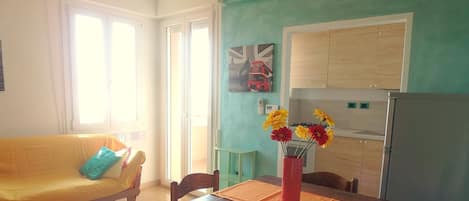
リドディポンポサの美しい海の景色を望む中心部にある大きな3部屋のアパートメント
Lido di Pomposa
リドディポンポサの美しい海の景色を望む中心部にある大きな3部屋のアパートメント
Lido di Pomposa
- キッチン
- 洗濯機
- ペット可
- 冷房
10 段階中 10.0、最高に素晴らしい、(3 件の口コミ) 件の口コミ
10/10
最高に素晴らしい
(3 件の口コミ)

Apartment Ramina
San Giuseppe - Comacchio
Apartment Ramina
San Giuseppe - Comacchio
- ペット可
- 冷房
- リビング / ダイニングエリア

PRIMAVERA 2-1 - Primavera 2-1
Comacchio
PRIMAVERA 2-1 - Primavera 2-1
Comacchio
- 洗濯機
- ペット可
- 冷房
- 駐車場利用可
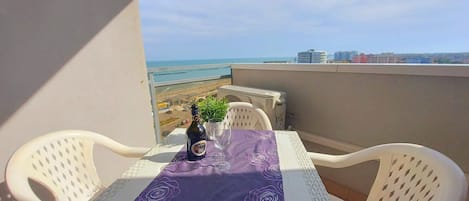
息をのむような景色を眺めながらランチ! リドディポンポサ中心部のビーチフロントアパートメント
Comacchio
息をのむような景色を眺めながらランチ! リドディポンポサ中心部のビーチフロントアパートメント
Comacchio
- 洗濯機
- ペット可
- 冷房
- 電子レンジ
10 段階中 8.8、非常に良い、(3 件の口コミ) 件の口コミ
8.8/10
非常に良い
(3 件の口コミ)
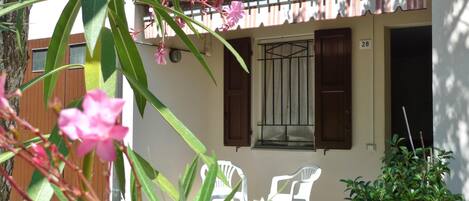
祖母アンナから-サンタルベルト-ラベンナ
Sant'Alberto
祖母アンナから-サンタルベルト-ラベンナ
Sant'Alberto
- キッチン
- 洗濯機
- 冷房
- 屋外スペース
10 段階中 10.0、最高に素晴らしい、(3 件の口コミ) 件の口コミ
10/10
最高に素晴らしい
(3 件の口コミ)

GuestHost - Comfortable apartment located on the second floor of a building NOT equipped with a lift.In 63 m2 of space it comfortably accommodates 5 people with a double sofa bed in the living room, a double bedroom and a bedroom with a single bed.Locate
Comacchio
GuestHost - Comfortable apartment located on the second floor of a building NOT equipped with a lift.In 63 m2 of space it comfortably accommodates 5 people with a double sofa bed in the living room, a double bedroom and a bedroom with a single bed.Locate
Comacchio
- キッチン
- 洗濯機
- 電子レンジ

Holiday apartment with outdoor pool
Lido di Spina
Holiday apartment with outdoor pool
Lido di Spina
- プール
- 洗濯機
- 乾燥機
- 冷房
10 段階中 10.0、最高に素晴らしい、(3 件の口コミ) 件の口コミ
10/10
最高に素晴らしい
(3 件の口コミ)
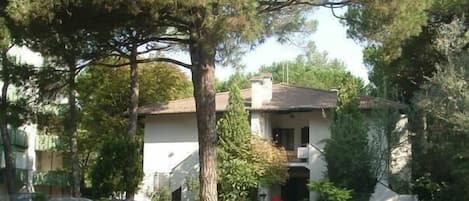
2ベッドルーム - 4 - 6人用の休日の家Lido di Spina
Lido di Spina
2ベッドルーム - 4 - 6人用の休日の家Lido di Spina
Lido di Spina
- ペット可
- ランドリー
- 屋外スペース
- ウォータービュー
10 段階中 10.0、最高に素晴らしい、(1 件の口コミ) 件の口コミ
10/10
最高に素晴らしい
(1 件の口コミ)

COSTA RICA 9 by Interhome
Comacchio
COSTA RICA 9 by Interhome
Comacchio
- キッチン
- 洗濯機
- ペット可
- 冷房

Villa HalaveliHome Relax in this oasis of quiet and elegance near the sea
Lido degli Estensi
Villa HalaveliHome Relax in this oasis of quiet and elegance near the sea
Lido degli Estensi
- オーシャンビュー
- キッチン
- 洗濯機
- WiFi (無料)
10 段階中 10.0、最高に素晴らしい、(1 件の口コミ) 件の口コミ
10/10
最高に素晴らしい
(1 件の口コミ)
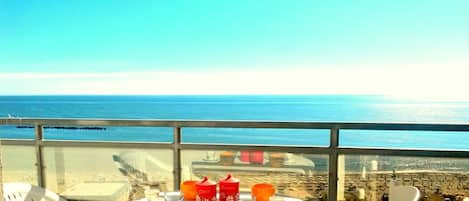
上から海を支配する! 海に面した美しいアパート
Comacchio
上から海を支配する! 海に面した美しいアパート
Comacchio
- キッチン
- 洗濯機
- ペット可
- 冷房
10 段階中 9.4、最高に素晴らしい、(3 件の口コミ) 件の口コミ
9.4/10
最高に素晴らしい
(3 件の口コミ)

GuestHost - Lido degli Estensi Sea View Apartment
Lido degli Estensi
GuestHost - Lido degli Estensi Sea View Apartment
Lido degli Estensi
- キッチン
- 洗濯機
- 冷房
- 電子レンジ
10 段階中 8.0、とても良い、(1 件の口コミ) 件の口コミ
8.0/10
とても良い
(1 件の口コミ)
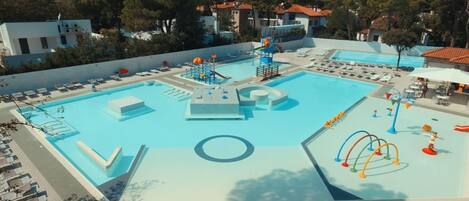
Vacation village Marina Village Apartment Marina for 4 persons
Lido di Spina
Vacation village Marina Village Apartment Marina for 4 persons
Lido di Spina
- プール
- キッチン
- ペット可
- WiFi (無料)
10 段階中 8.0、とても良い、(1 件の口コミ) 件の口コミ
8.0/10
とても良い
(1 件の口コミ)

La Perla del Sole - apartment direct to the beach
Lido di Pomposa
La Perla del Sole - apartment direct to the beach
Lido di Pomposa
- 冷房
- リビング / ダイニングエリア

Apartment with air conditioning in the center of Lido di Pomposa, with sea view
Comacchio
Apartment with air conditioning in the center of Lido di Pomposa, with sea view
Comacchio
- 洗濯機
- ペット可
- 冷房
10 段階中 10.0、最高に素晴らしい、(1 件の口コミ) 件の口コミ
10/10
最高に素晴らしい
(1 件の口コミ)

Pagoda 4 Three rooms apartment with direct access to the beach.
Comacchio
Pagoda 4 Three rooms apartment with direct access to the beach.
Comacchio
- キッチン
- 洗濯機
- 冷房
- 駐車場利用可

GuestHost - Lido degli Estensi Flat a stone's throw from the beach
Lidi Estensi
GuestHost - Lido degli Estensi Flat a stone's throw from the beach
Lidi Estensi
- 洗濯機
- 乾燥機
- 電子レンジ

GuestHost - A comfortable and welcoming 75 square meters apartment with a large courtyard and private entrance, perfect for six people, located on the ground floor of a renovated historic building facing the canal (NOT accessible by car).The property enj
Comacchio
GuestHost - A comfortable and welcoming 75 square meters apartment with a large courtyard and private entrance, perfect for six people, located on the ground floor of a renovated historic building facing the canal (NOT accessible by car).The property enj
Comacchio
- キッチン
- 冷房
- 屋外スペース
- 電子レンジ
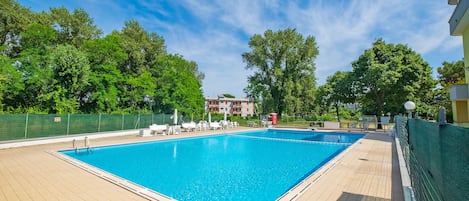
リドネーションズスイミングプール付きレジデンスの駐車スペース付きの改装済みアパート
Lido delle Nazioni
リドネーションズスイミングプール付きレジデンスの駐車スペース付きの改装済みアパート
Lido delle Nazioni
- プール
- キッチン
- 洗濯機
- ペット可
10 段階中 8.0、とても良い、(2 件の口コミ) 件の口コミ
8.0/10
とても良い
(2 件の口コミ)

Detached terraced villa mt. 100 from the sea
Lido degli Scacchi
Detached terraced villa mt. 100 from the sea
Lido degli Scacchi
- 冷房
- 駐車場利用可
ハウスルール
チェックイン : 15:00 以降
チェックアウト : 10:00 より前
お子様
子供の利用可 : 0 ~ 17 歳
イベント
イベント不可
ペット
ペットとの宿泊可
喫煙
喫煙不可
重要事項
ご宿泊に際して
施設番号 : 11829394
施設の定める利用規約に従って、追加ゲスト料金がかかる場合があります
場合により、チェックイン時に政府発行の写真付き身分証明書と付随費用精算のためのクレジットカード / デビットカードのご提示、または現金でのデポジットのお支払いが必要です
宿泊施設への要望は、チェックイン時の状況によりご希望に添えない場合があり、内容によっては追加料金が発生することがあります。対応は確約ではございませんのでご了承ください
施設でのお支払いには、現金をご利用いただけます
敷地内でのパーティーやグループイベントの開催は固く禁止されています
オーナーによると、施設にガス器具も一酸化炭素検知器もないとのことです
オーナーによると、施設に煙感知器があるとのことです
この施設には安全設備として、消火器が備わっています
周辺地域について
コマッキオ
このアパートメントはコマッキオにあります。文化的な体験を求めているなら、ムゼオ・デルタ・アンティコやマニッファトゥラ デイ マリナティへ行きましょう。人気の観光スポットには、トレッポンティ橋やサンクチュアリ オブ サンタ マリア イン オーラ レジアなどがあります。ポンポーザ サーキットとボスコ・デ・ラ・メゾラも訪れる価値のあるスポットです。

Comacchio, Ferrara
周辺情報
- ポンポーザ サーキット - 車で 5 分 - 3.2 km
- ヴァレ ディ コマッキオ - 車で 8 分 - 5.3 km
- トレッポンティ橋 - 車で 12 分 - 8.9 km
- ポー デルタ公園 - 車で 12 分 - 8.9 km
- ムゼオ・デルタ・アンティコ - 車で 12 分 - 9.2 km
交通案内
- マッサフィスカッリア駅から車で 25 分
レストラン
- Monnalisa - 車で 4 分
- Ristorante Bora Bora - 車で 4 分
- La Baita - 徒歩 3 分
- Ciliegina Fish - 車で 4 分
- Ristorante Moorea - 車で 4 分
よくあるご質問
Cortina 2-24 Comfortable two-room apartment facing the seaはペットと宿泊できますか ?
はい、この宿泊施設にはペットを同伴できます。
Cortina 2-24 Comfortable two-room apartment facing the seaのチェックインは何時ですか ?
チェックイン開始は 15:00 です。
Cortina 2-24 Comfortable two-room apartment facing the seaのチェックアウトは何時ですか ?
チェックアウトは 10:00 です。
Cortina 2-24 Comfortable two-room apartment facing the seaはどこにありますか ?
コマッキオにあるこのアパートメントは、ポンポーザ サーキットから 3 km、ヴァレ ディ コマッキオから 4.7 km です。ポー デルタ公園およびトレッポンティ橋も 10 km 圏内です。
オーナーについて
オーナー : Roberto Cavalieri

言語 :
英語, イタリア語, ポルトガル語
弊社サービスについてご意見をお聞かせくださいご意見の送信