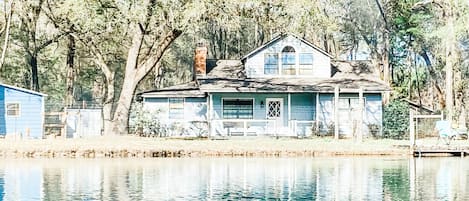
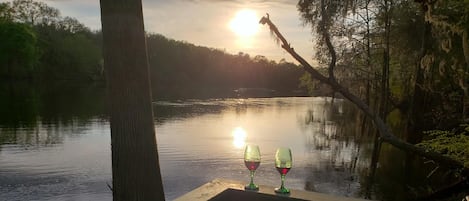
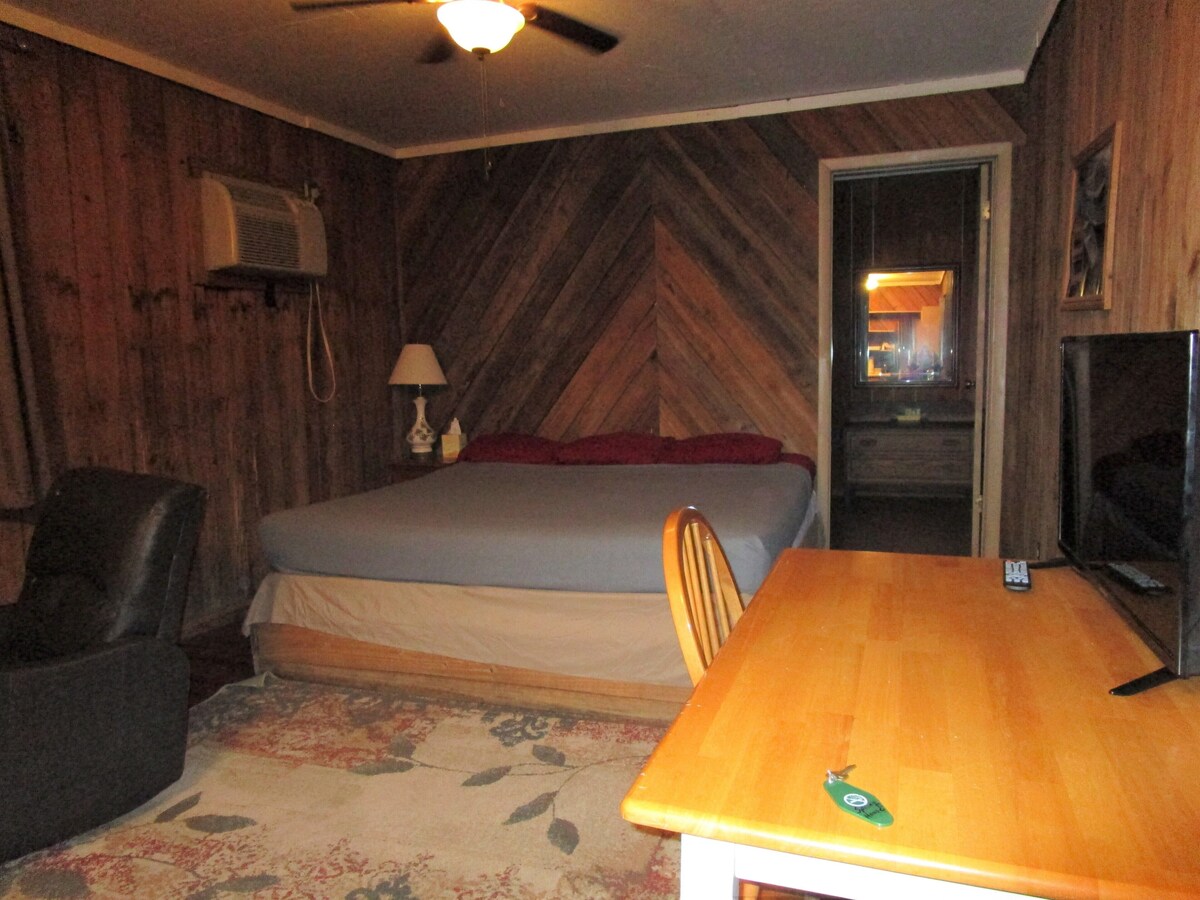
The Spring House at Suwannee River Rendezvous is a historic preservation site located in Mayo, Florida, along the scenic Suwannee River. Built in the late 1800s, this structure served as a natural refrigeration system for early settlers, utilizing the constant cool temperature of spring water to preserve perishable foods before the advent of modern refrigeration.
The spring house is constructed from local limestone and features a unique architectural design that maximizes natural cooling properties. Spring water flows through channels beneath the structure, maintaining a consistent temperature of around 68-72 degrees Fahrenheit year-round. This natural cooling system was essential for storing dairy products, meat, and produce in Florida's hot climate.
The building follows a traditional spring house design with thick stone walls, a raised foundation, and strategic ventilation points. Its location near the Suwannee River was carefully chosen to take advantage of the natural spring flow while protecting it from seasonal flooding.
Today, the Spring House stands as part of the Suwannee River Rendezvous resort and campground, which spans over 60 acres along the river. The resort has preserved the structure while incorporating it into its recreational facilities, allowing visitors to experience this piece of Florida's pioneer history firsthand.
The Spring House represents an important example of sustainable, pre-industrial technology. Its design principles demonstrate how early settlers adapted to Florida's challenging climate without modern amenities. The structure continues to function, showcasing the durability and effectiveness of its natural cooling system even after more than a century.
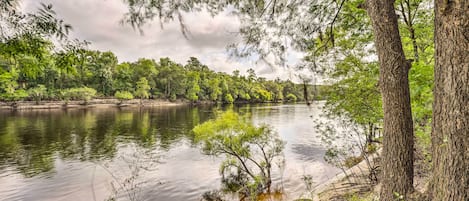
The location within the Suwannee River Rendezvous resort has helped ensure its preservation while making it accessible to the public. Visitors can combine their exploration of this historic structure with other activities like camping, canoeing, and hiking along the Suwannee River.
The site's integration into the larger recreational area has helped ensure its survival and maintenance, making it a unique attraction that combines historical education with outdoor recreation opportunities along one of Florida's most famous waterways.