Séjournez dans un emplacement central exceptionnel, à quelques pas d’attractions, de restaurants et de divertissements populaires.
Découvrez des points d’intérêt à proximité
Non loin : Forteresse de Hvar
6 personnes•2 chambres•4 lits
Commodités populaires
Cuisine
Laveuse
Climatisation
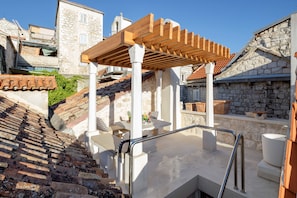
Terrasse ou patio
Wi-Fi gratuit
Balcon ou patio
Explorez la région
Hvar, Splitsko-dalmatinska županija
Port de Hvar
Place, Port de Hvar
1 min à pied
Arsenal de Hvar
Place, Arsenal de Hvar
2 min à pied
Cathédrale Saint-Étienne
Place, Cathédrale Saint-Étienne
3 min à pied
Chambres et lits
2 chambres (6 personnes)
Chambre 1
1 grand lit
Chambre 2
1 grand lit
Salle de séjour 1
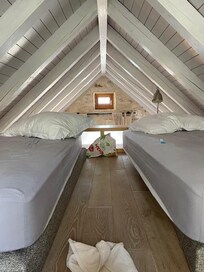
2 lits 1 place
1 salle de bain
Salle de bain 1
Toilettes · Douche uniquement
Espaces supplémentaires
Terrasse en bois ou patio
Cuisine
Nombre de salles de séjour
À propos de cet hébergement
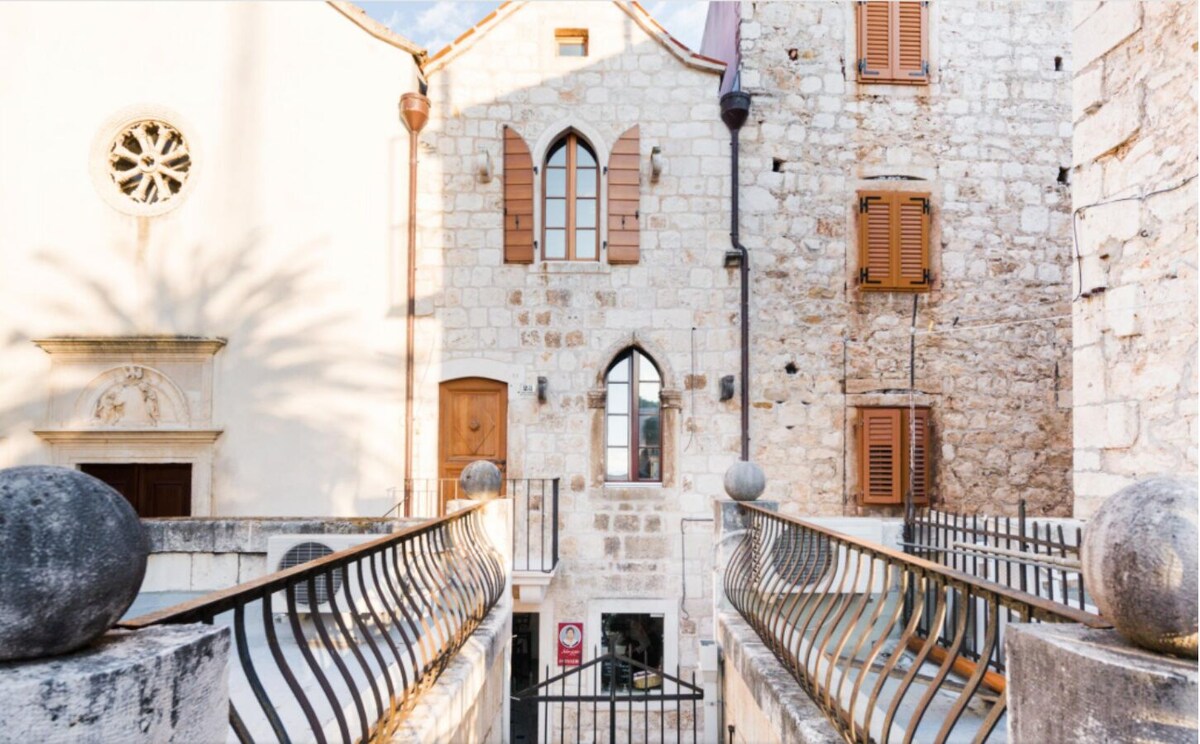
Luxueuse maison de 3 étages de la fin du XVe siècle dans le centre historique de la vieille ville de Hvar
Une petite touche d'histoire, une touche infinie de luxe!
Le manoir de luxe Severo, historiquement connu sous le nom de maison Bevilaqua, est un mini-palais gothique du XVe siècle situé juste à côté de l'église de St. Annunziata. Le manoir est un patrimoine culturel de la République de Croatie restauré avec le plus grand soin et précision et a même fait l'objet de quelques thèses de doctorat. Autrefois lieu d'événements véhémentes, le manoir de luxe Severo est désormais une base apaisante pour votre refuge privé et votre plaisir.
Ajoutez des dates pour connaître les prix
Hébergements similaires
Luxury Villa with privacy, pool, spa, and stunning views
Svete Nedelja
Luxury Villa with privacy, pool, spa, and stunning views
Numéro d’enregistrement de l’hébergement : HR38854577274
Nº de l’hébergement : 8336051
Des frais pour toute personne supplémentaire peuvent être facturés et dépendent de la politique de l'hébergement
Une pièce d'identité officielle avec photo et un dépôt de garantie en espèces, par carte de crédit ou par carte de débit, peuvent être demandés à l'arrivée pour couvrir tous frais imprévus
Les demandes spéciales, qui ne peuvent pas être garanties, sont soumises à disponibilité à l'arrivée et peuvent entraîner des frais supplémentaires
Les fêtes et les événements de groupe sont interdits
L'hôte n'a pas indiqué si l'hébergement était équipé d'un détecteur de monoxyde de carbone ; pensez à apporter un détecteur portable lors de votre séjour
L'hôte n'a pas indiqué si l'hébergement était équipé d'un détecteur de fumée
Cet hébergement comporte des espaces extérieurs comme des balcons, des patios ou des terrasses potentiellement non adaptés aux enfants. Si vous avez des questions, nous vous recommandons de contacter l'hébergement avant votre arrivée afin de savoir s'il peut vous accueillir dans une chambre adéquate.
À propos du quartier
Hvar
cette villa vous donne rendez-vous à Hvar face à la mer, dans le quartier Vieille ville de Hvar. N'hésitez pas à visiter quelques curiosités locales telles que les célèbres Plaine de Stari Grad et Théâtre de Hvar, à moins que vous ne préfériez faire le plein d'aventures aux sympathiques Port de Hvar et Vignoble Nikola. La région fera résolument le bonheur des amateurs de sport nautique, qui pourront s'en donner à cœur joie grâce à de nombreuses activités telles que le jet-ski, la plongée sous-marine ou encore les promenades en bateau à moteur.
Luxurious 3-story late 15th century house in Old Town Hvar historic core accepte-t-il les animaux de compagnie?
Non, l’établissement n’accepte pas les animaux de compagnie.
À quelle heure est-il possible d'arriver à Luxurious 3-story late 15th century house in Old Town Hvar historic core?
L’arrivée est possible à partir de 17 h.
À quelle heure doit s'effectuer le départ à Luxurious 3-story late 15th century house in Old Town Hvar historic core?
Le départ est à 10 h.
Où se situe Luxurious 3-story late 15th century house in Old Town Hvar historic core?
Vieille ville de Hvar - villa se trouve à quelques pas des sites suivants : Plaine de Stari Grad et Port de Hvar. Théâtre de Hvar et Arsenal de Hvar sont à seulement quelques pas.
À propos de l’hôte
Hôte : Paula
Welcome to Villa Varda - Latica, where every detail was thought through and crafted with the utmost care, being careful not to harm the object's original nature.
We will be proper hosts to you, in order to establish a kind of trust that allows us to perhaps cooperate in the years to come. If you have doubts, if you need anything, feel free to ask, we are here for you. ;)
Voici pourquoi l’hôte a choisi cet hébergement
The 500-year legend behind Villa Varda - Latica – The Myth of the St. Cross
Villa was once known as the Bevilaqua House, named after its owner, Hvar’s harbor master and Admiral Niccolo Bevilaqua, who lived in late 15th and early 16th century.
On the 6th of February 1510, the skies darkened, a heavy rain fell down upon Hvar, followed by a strong storm. At 7 PM the ground shook three times and the roof of St. Annunziata’s church exploded in pieces.
At the same time, in the house next to the church, the Bevilaqua House, the admiral’s granddaughter was storing clothes and cleaning the room of dust. She found a small sooty crucifix, took it into her hand to clean it when a thick, dark liquid started dripping from the crucifix.
She called her mother and her father, who said that this was probably the color that has melted off the crucifix. Still, to make sure, they called the town’s painter, Stjepan (Stephen) Vitaglich, who momentarily found out that it was not color dripping from the crucifix, but blood!
Voici ce qui rend cet hébergement unique
Alarmed, they called upon the church’s canon and curator, Matija (Matthew) Lukanich. He was already shaken by the fact that the church’s roof went to pieces only minutes ago. When he found out about the blood he fell into a state of excruciating pain and near-madness.
As it happens, it was the very Lukanich who swore on that very crucifix in early 1509 to kill all of Hvar’s nobility. Lukanich was, along with Tomo (Thomas) Bevilaqua, the girl’s father and admiral’s son, the main conspirator of a planned coup and massacre that was to follow. Tomo Bevilaqua died in an accident in November of 1509, so the coup had to be postponed.
Now looking at the same crucifix bleeding made Lukanich fell into despair. At first, all parties involved and the citizens of Hvar understood this as a warning from God, that saying to sustain from any bloodshed. As hours passed, Lukanich fell more and more into madness, ending up flagellating himself to death, six days after the discovery of the crucifix.
In the end, Hvar ended up in a civil war, which began in May 1510 and lasted for four years. Feel free to find out more by entering 'Hvar rebellion' into a search engine of your choice.
The events of 6th of February were first noted in detail by Hvar’s judge, Pavao (Paul) Paladinich. Other testimonies were collected by an apostolic visitor 69 years later, in 1579, from individuals who were children in time of these events. All testimonies were published in A. Gabelich’s ‘The uprising of Hvar’s commoners’ and J. Bracanovich’s ‘500 years of St. Cross worshipping’. The bloodied crucifix and the adherent blooded cloth are kept today in the Hvar cathedral.
Be as it may, whether you believe in the story or not – you will be enjoying your vacation inside a living part of history, now there exclusively for your pleasure!